The Royal Academy of Dance Method and Class of Ballet Instruction
Ballet is an art form that began centuries ago in the courts of Renaissance Italy. It is a graceful form of dance that uses the human body's own motions to tell a narrative. If you think ballet can only be learned in a marathon course, think again! Ballet instructions can be found in books, online videos, on other amateurs and on different dance websites throughout the Internet. With all these resources available, it is not difficult to locate courses for dancers of all abilities and levels.
When dancers wish to find out more about ballet instruction, there are a lot of places they can turn. A ballet school is a good place to begin, but not necessarily the smartest choice. While a ballet faculty will provide students with a well-trained team of instructors, it may not have the ability to provide classes which are flexible enough to your unique dance requirements. In addition, there could be other costs to consider like insurance and pajamas.
Other possibilities for ballet education involve online instructional videos, home-study classes, private classes and competitions. The most popular strategy by far is that the French method, which relies on classical dance styles. This style offers several styles of education, which are detailed in the next sections. Learning to pointe demands flexibility and strength. Beginning pointe pupils should start in a simple course that introduces fundamental ballet movements, such as warm-up, stretching, muscle stretching and strengthening.
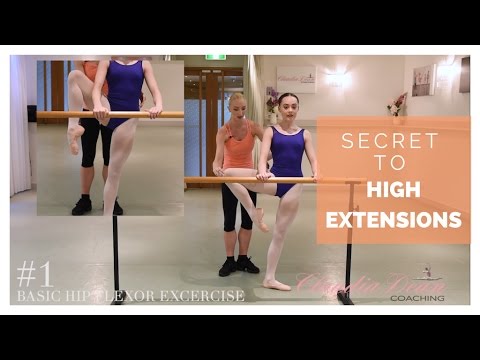
Pointe class starts with warm-ups and exercises. The student then learns that the fundamental ballet movements, starting with the introductory lesson about stance and positioning. This can be followed by the student's first Pointe technique and fundamental skills. Students will practice this technique and ability throughout the entire year. Beginning ballet courses will often incorporate more advanced dance forms and techniques, but for students who want to focus on the Pointe technique, these classes will help prepare them.
Beginning ballet education classes meet at a specific time for every day. At the start of the day, students gather together for a pre-class warm-up and workout routine, and also at the close of the afternoon , they http://query.nytimes.com/search/sitesearch/?action=click&contentCollection®ion=TopBar&WT.nav=searchWidget&module=SearchSubmit&pgtype=Homepage#/dance dancing. Since ballet is an aggressive dance form, every student has to pass a rigorous test prior to attending another level. Each level requires increasingly harder ballet places, and in the highest levels pupils must execute intricate footwork, technique and body movements.
Professional ballet dancers experience rigorous professional dance training so as to realize high levels of performance. They may also receive extra training from a dance studio or instructor. Professional dance teachers will instruct their students in the basics of ballet pedagogy. These include studying the fundamental skills of ballet dancing through choreography. Professional ballet instruction includes choreography, techniqueand weight resistance and balance tests.
The Royal Academy of Dance procedure of ballet education is taught by Yvanne Baupin. She's been a professional dancer for over 35 years and has many publications to her credit. She is also a choreographer and instructor. Many classical painters learned some of her choreography methods while she had been educating at the RADA. The RADA also employed The Vaganova Method, that was produced by Yvanne Baupin.
A Few of the Major ballet training Approaches include the Iberian School, San Spain Method, La Habana, Viennese Opera, along with the Balanchine Method. Iberian School ballet training involves the basic dancing and general approach of the Iberian Peninsula. San Spain ballet involves dinner dance for the entire family. La Habana ballet instruction focuses on Latin ballroom dances. Viennese opera ballet focuses on Italian dance and choreography.
Balanchine's ballet way is highly known because of its elegant dance. It's a highly elegant ballet design that originated in Austria. Balanchine's students must also complete specialized dancing courses like classical ballet education and figure dancing. This intricate program requires students through a rigorous ballet training and rehearsal process.
All skill levels can and should take part in open division classes in the ballet company. Beginners and advanced dancers benefit from these classes. Beginners benefit because they will learn the basics and become comfortable with the dancing movements and patterns before advancing to more difficult courses. Åpen Skole Advanced dancers benefit because they will practice their skills against other dancers in order to improve themselves. Open division classes assist addicts create their personality and style.
The RADA also has an annual national ballet competition, in which the very best novice and advanced dancers from various country participate. The best dancers win prizes and invitations to the prestigious Royal Academy of Dance in London. A student must apply to this RADA. Once accepted, he/she will attend the RADA primary competition in October or even November. After accomplishing this, he/she will be sent to the regional competitions to further improve his/her skills.